Messages from Bishop
Meggan Manlove
Featured

I find myself returning to Jesus’ I Am statement that he is the vine and we are the branches. Most often I think of all of us followers of Jesus and the many ministry sites as the branches, but during the fall meeting season the metaphor is stretched to include our NWIM Synod Council and the Conference of Bishops and the work each of those bodies does—growing out of our relationship with Jesus Christ.
The Prayer and Presence in Public Life Working Group is happy to share with you the attached For the Common Good: Prayers and Resources for Congregations in Public Life. Enclosed are suggestions for how this could be shared with your ministry site.
Growing up in Custer, South Dakota, Labor Day weekend always marked the end of the major tourism season that shaped so much of life in the Black Hills in the 1990s. Of course, Labor Day celebrates much more than that, and in 2026 it can hold many meanings.
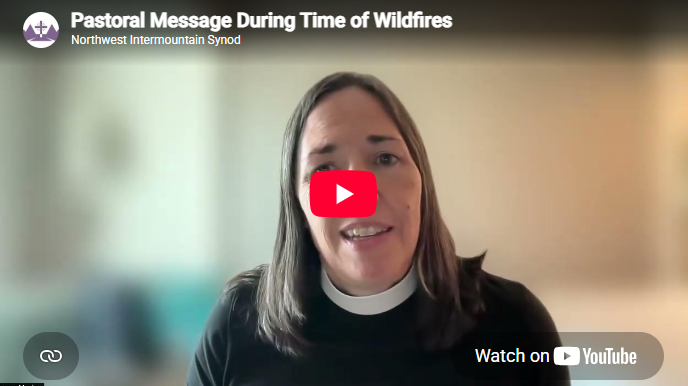
Dear Saints of the Northwest Intermountain Synod,
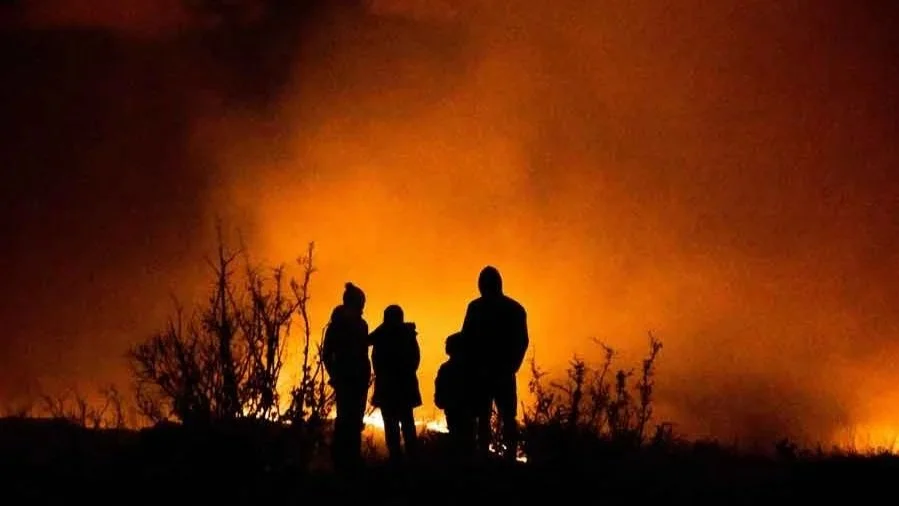
It has been just over ten days since the wildfires began burning in Spokane. We grieve with the around 7 households of our ELCA congregations whose homes were destroyed by the wildfires and of course so many of you know friends, co-workers, and relatives whose homes were destroyed. All our ELCA church structures are still standing. We celebrate the heroism of firefighters, the way the community came together, the acts of kindness (including all of you who welcomed evacuees into your homes).
This afternoon, pastors from Spokane to Wenatchee and I met with Lutheran Disaster Response (LDR) staff and volunteers. LDR is part of the ELCA and is also a partner with the Washington State VOAD (Voluntary Organizations Active in Disaster). You might be seeing adds for Lutheran World Relief, which is now Corus International, great with international disasters and of course please sending them your quilts! However, we are encouraging you to give to LDR during this time of wildfires.
Dear Saints of the Northwest Intermountain Synod,
My heart breaks for the greater Spokane Community in the face of wildfires, which are still burning as I write this.
We pray for firefighters and those coordinating responses to the wildfires and planning for recovery.
Links are provided of who can receive your financial donations.
I offer a Litany in Time of Wildfires
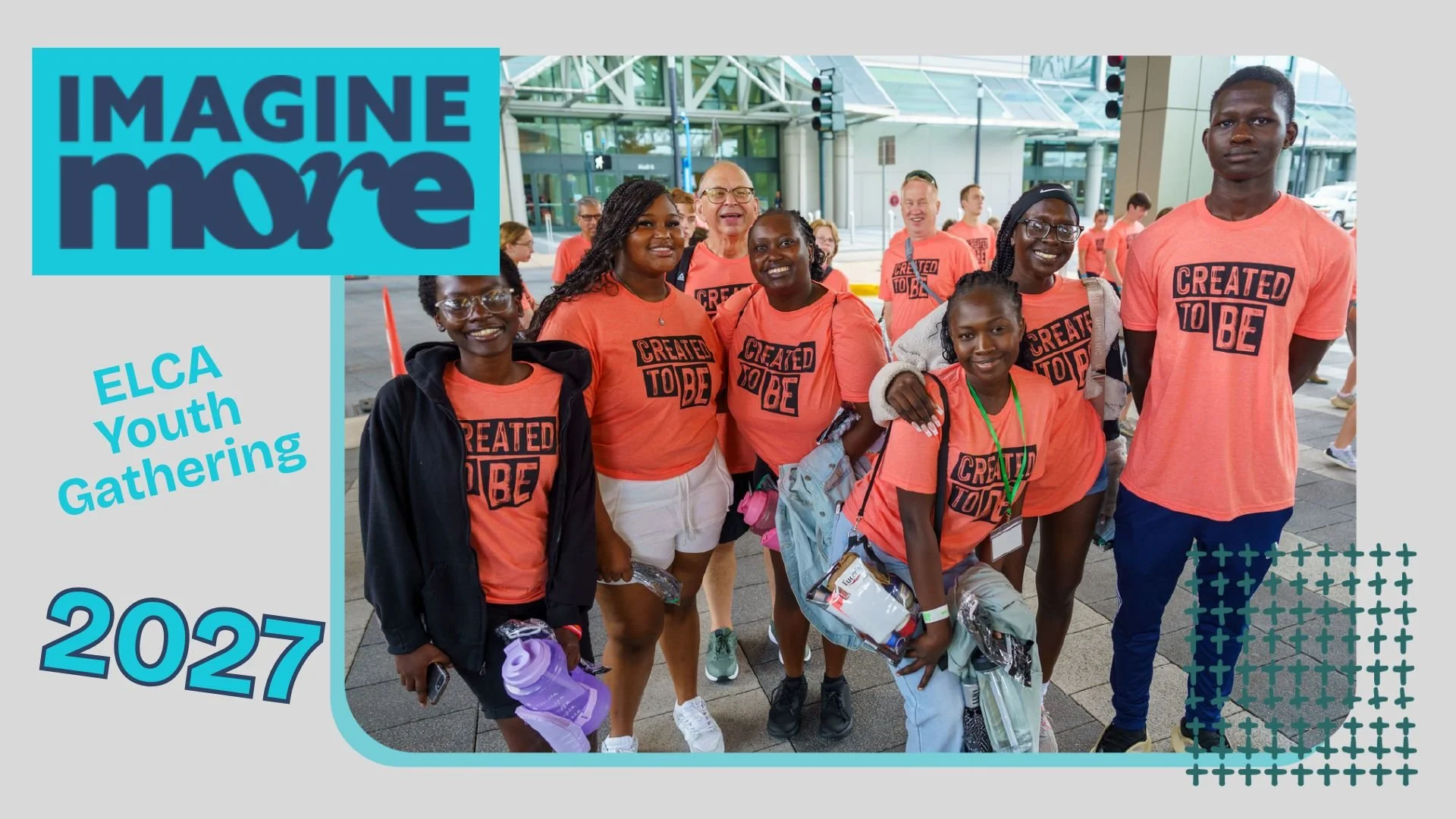
Why the 2027 ELCA National Youth Gathering
I am a huge fan of the ELCA Youth Gatherings. When I stood for the bishop’s election in our synod in 2023, I quoted Galatians 5:13-14 as a central verse for my life and ministry. Guess where I first really heard that verse—the 1991 Gathering in Dallas when the theme was “Called to Freedom.” I attended again in Atlanta.
I have recently been saying around lunch tables and in sermons that my answer to just about everything in this moment is, remember your baptism. As you participate in the life of your congregation, remember your baptism. As we celebrate our country’s 250th birthday, remember your baptism. As you read the news, remember your baptism.
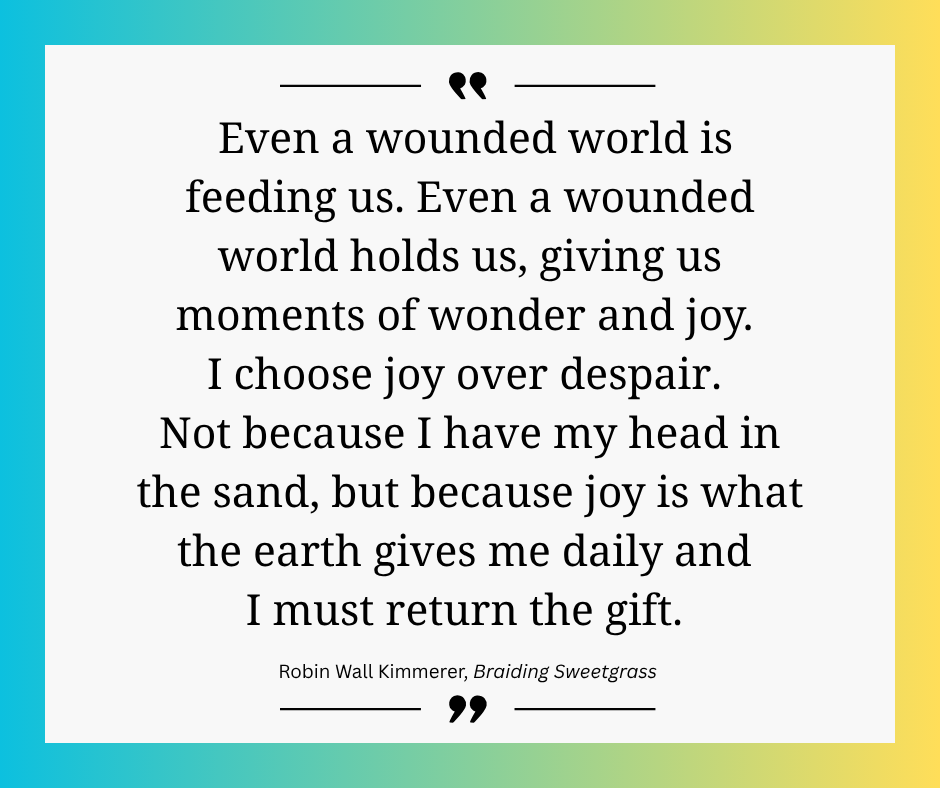
It was timely to hear Kimmerer speak so close to Holy Trinity Sunday, when many of us will hear the beautiful creation story, or song, from Genesis 1. As we consider the relationship with the Holy Trinity, our relationship to other humans, our relationship with our siblings—human, plant, and animals--consider the deep wonder and joy with which Kimmerer the botanist writes.
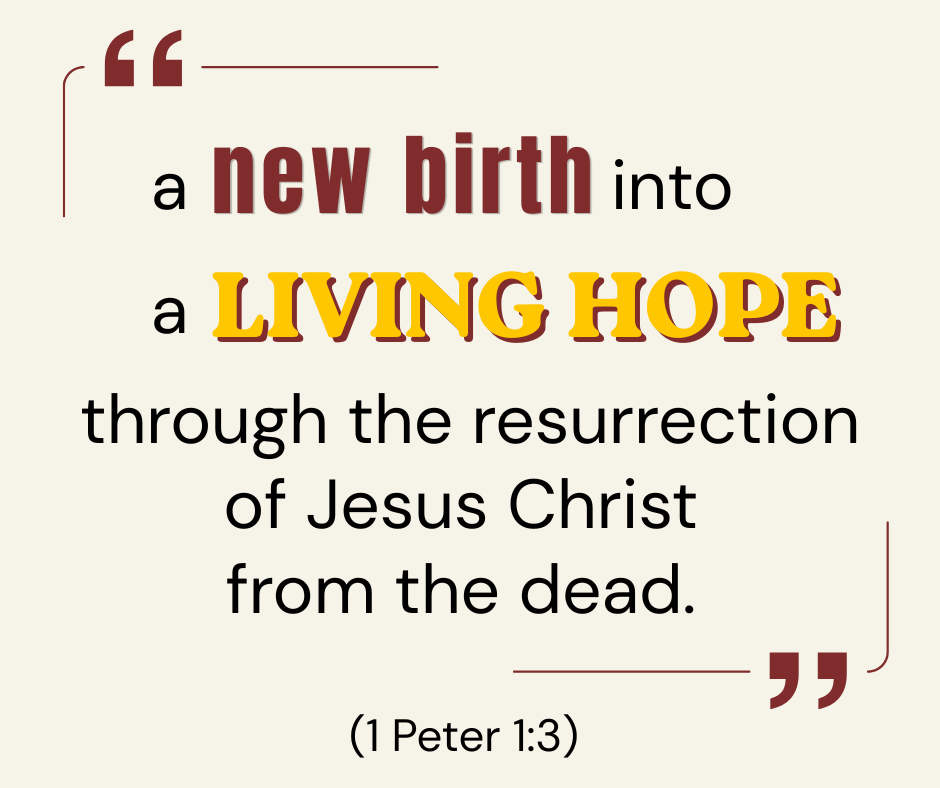
This letter - 1 Peter - is one of the most hope-filled books in the New Testament. Its purpose is to encourage Christian converts living in the midst of a hostile society. Like most of the letters, there are a few passages that I would rather ignore; I have to remember that the letter was written in a very different time and place. Still, there is enough life-giving in the letter to hold our attention. The author names “a new birth into a living hope through the resurrection of Jesus Christ from the dead” (1:3). That living hope is ours as well, even as the world around us groans. We hope that the God who created life out death on Easter morning will continue to create life from death. We hope that transformation is possible. And finally, like those disciples in the Emmaus Road story, we might say “Were not our hearts burning within us while he was talking to us on the road?” (Luke 24:32).